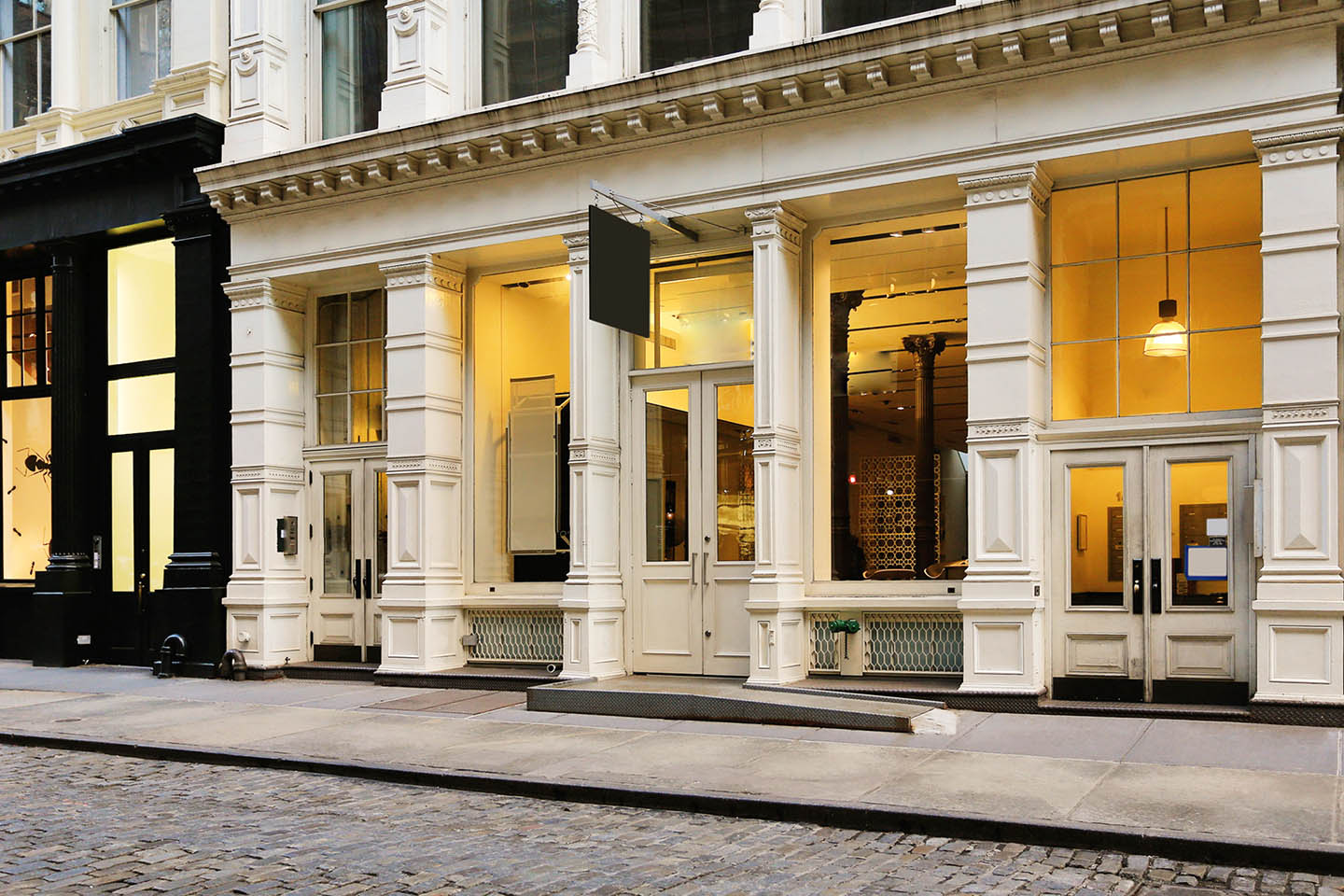
SoHo retail street, New York City
Insights

NYC Retail
Intelligence

Market data, corridor analysis, and lease intelligence for operators navigating New York City retail. No fluff — just the numbers and what they mean for your next move.

SoHo Rents Are Up 24% — Here's What Smart Operators Are Doing About It

Manhattan retail rents are surging in prime corridors. But beneath the headline numbers, there's a more nuanced story — and an opportunity for operators who know where to look.

Manhattan retail is heating up fast. According to the REBNY H2 2025 Manhattan Retail Report, SoHo asking rents surged 24% in just six months — a pace that signals genuine demand recovery, not just landlord wishful thinking. The corridors that defined Manhattan's pandemic-era vacancy crisis are now the same ones drawing aggressive competition for space.

Key Data Points

+24% SoHo Rent Surge (6mo)
35 → 13 Madison Ave Vacancies (2yr)
-32% Below Peak Rents (10yr)

The Headline: Rents Are Rising — But From Where?

Context matters. Manhattan retail rents are still approximately 32% below their peak from a decade ago. That means the 24% increase in SoHo — while dramatic — represents a recovery, not a bubble. For operators who locked in leases during the 2020–2023 window, the current environment validates their timing. For those still searching, it means the window of deep discounts is closing, but value still exists.

Madison Avenue tells an even sharper story. In two years, the corridor went from 35 available storefronts to just 13. That's a 63% reduction in available inventory — the kind of compression that shifts leverage decisively toward landlords. Brands that delayed their Madison Ave decisions are now competing for a shrinking pool of quality spaces.

The corridors that were bargains 18 months ago are becoming competitive. That doesn't mean it's too late — it means the calculus has changed.

What's Driving the Surge?

Several factors are converging. International luxury brands are re-committing to Manhattan after years of caution. Domestic DTC brands that cut their physical retail plans during the pandemic are returning with larger footprints. And NYC's tourism recovery — with international visitor spending now exceeding pre-pandemic levels — is restoring the foot traffic economics that make prime corridors viable.

SoHo, in particular, has benefited from a shift in tenant mix. The corridor is attracting more experiential retail, wellness concepts, and food & beverage operators alongside traditional fashion brands. This diversification makes the corridor more resilient and more attractive to new entrants.

Three Takeaways for Retail Operators

Takeaway 1: Don't Wait for the Bottom — It Already Happened

If you're waiting for Manhattan rents to drop further before signing, you may be benchmarking against a market that no longer exists. The 2021–2023 window was the bottom. Current rents, while rising, still represent significant value relative to the 2015–2019 peak. The smart play is to negotiate aggressively on lease terms — free rent, TI allowances, escalation caps — rather than holding out for lower base rents.

Takeaway 2: Look at the Corridors Adjacent to the Headlines

SoHo and Madison Ave grab the headlines, but the real opportunities for most operators are in the corridors one step removed from prime. NoHo, the Lower East Side, parts of the West Village, and emerging segments of Midtown South are seeing demand growth without the same rent compression. These areas offer better economics with strong foot traffic fundamentals.

Takeaway 3: Protect Yourself on Escalation

In a rising market, landlords push for higher annual escalation rates. The difference between a 3% and an 8% annual escalation on a 10-year lease is enormous — potentially hundreds of thousands of dollars. Get your escalation terms right on day one. This is the single most impactful negotiation point in the current environment.

The Bottom Line

Manhattan retail is in a genuine recovery. Prime corridors are tightening, and the leverage is shifting. But "recovery" doesn't mean "overpriced" — not yet. Operators who move now with clear market intelligence and strong lease negotiation can still capture significant value. The key is moving with precision, not panic.

Sources: REBNY H2 2025 Manhattan Retail Report. Analysis by Retail Signal.
Back to top

The Fitness Boom Is Reshaping NYC Retail — What It Means for Your Next Lease

New York's fitness and wellness sector is expanding at unprecedented speed. For every retail tenant in the city, this wave changes the competitive landscape.

Something significant is happening in New York City retail, and it's not another luxury brand opening on Fifth Avenue. According to a new retail report on Midtown South, the "42BELOW" corridor — the stretch of retail space south of 42nd Street — is seeing retail occupancy grow 65% faster than Manhattan overall. A major driver? Fitness and wellness operators.

Key Data Points

+65% Faster Occupancy Growth (vs. Manhattan)
17K sf Hydrogen Fitness (Kips Bay)
52K sf Life Time (10 Bryant Park)

The Numbers Behind the Boom

The scale of recent fitness leases in Manhattan tells the story. According to The Real Deal, Hydrogen Fitness signed a 17,000 square foot lease in Kips Bay — a significant footprint for a single fitness concept. Life Time is building out a massive 52,000 square foot facility at 10 Bryant Park. These aren't boutique studios tucked into second-floor walk-ups. These are ground-floor, high-visibility retail spaces competing for the same inventory that restaurants, fashion brands, and service retailers typically target.

The regulatory environment has accelerated this trend. New York City dropped its special-permit requirement for gyms and fitness facilities, removing a bureaucratic barrier that had previously added months and significant expense to any fitness retail lease. The effect has been immediate: fitness and wellness concepts that previously limited their NYC expansion plans due to permitting complexity are now moving aggressively.

When a 52,000 square foot fitness operator enters your corridor, it doesn't just take one space off the market — it reshapes the foot traffic, co-tenancy dynamics, and rent expectations for every tenant on the block.

What This Means for Non-Fitness Tenants

If you operate a restaurant, retail shop, or service business in Manhattan, the fitness boom affects you directly — even if you're not in the fitness industry. Here's how:

1. Co-Tenancy Dynamics Are Shifting

Large fitness facilities generate consistent, predictable foot traffic. A gym with 3,000+ members creates a daily stream of visitors to the corridor — people who arrive before work, during lunch, and after 5 PM. For food & beverage operators, this is valuable. For retailers in adjacent spaces, it means more eyes on your storefront. Smart operators are actively seeking spaces near new fitness anchors.

2. Lease Competition Is Increasing

Fitness operators are well-capitalized and willing to sign long-term leases at competitive rents. When a Life Time or an Equinox enters a corridor, they're often backed by institutional capital and can absorb higher rents than independent retailers. This creates upward pressure on asking rents throughout the corridor — particularly for the ground-floor spaces that fitness operators increasingly prefer.

3. Use Clause Flexibility Matters More Than Ever

If your lease restricts your use category too narrowly, you may find yourself unable to adapt as the tenant mix around you evolves. Operators should push for broader use clauses that allow flexibility — including the ability to add wellness, health, or experiential components to their concept. A restaurant that can add a juice bar or wellness retail component has more options than one locked into a pure food-service use clause.

Three Moves for Operators

Review Your Co-Tenancy Clause

If your lease includes a co-tenancy clause, make sure it accounts for the changing tenant mix. A clause written when your anchor was a department store may not protect you when the anchor becomes a fitness mega-facility. Update your language to reflect the actual traffic drivers that matter to your business.

Scout Near New Fitness Anchors

Corridors with recently signed fitness leases — particularly those 10,000+ square feet — are worth evaluating for adjacency. The foot traffic boost typically takes 6–12 months to materialize after opening, so getting into the corridor early, before rents adjust upward, is the play.

Negotiate Escalation Caps Now

In corridors where fitness operators are driving demand, landlords have more leverage. Lock in your escalation rate before the corridor fully reprices. The difference between securing a 3% cap now versus signing at market rates in 12 months could define your profitability for the next decade.

The Bigger Picture

The fitness and wellness expansion in NYC is not a trend — it's a structural shift. Health-conscious consumer behavior, regulatory changes, and the availability of large-format retail space are all converging. For retail operators of all types, understanding how this wave reshapes your corridor's economics is now essential due diligence.

The operators who thrive won't be the ones who ignore the fitness boom. They'll be the ones who understand how it changes the game — and position their leases accordingly.

Sources: New York Real Estate Journal — Midtown South 42BELOW Report; The Real Deal — NYC's Top Retail Leases, March 2026. Analysis by Retail Signal.
Back to top
Get Expert Analysis

Data Informs. Intelligence
Decides.

Stop guessing about your lease. Get NYC-specific expertise before your next big retail decision.